
Premium vs. Budget Motorcycle Helmets: The Ultimate Safety & Comfort Battle
The Ultimate Premium vs. Budget Motorcycle Helmet Battle: Is High-End Gear Worth the Investment?
Choosing a motorcycle helmet is arguably the most critical decision any rider will make. It is the literal barrier between your head and the asphalt, acting as your primary line of defense in the event of an accident.
However, walking into a motorcycle gear shop or browsing online retailers reveals a massive price discrepancy that can baffle both beginner riders and seasoned veterans. On one side of the aisle, you have premium helmets from legendary manufacturers like Shoei and Arai that easily clear the $700 to $1,000 mark. On the other side, highly-rated budget alternatives from brands like HJC and Scorpion EXO sit comfortably between $150 and $250.
This stark contrast raises a vital question for riders aiming to optimize both their safety and their wallet: Does spending four times more money buy you four times more safety, or are you simply paying a premium for a prestigious brand logo?
For affiliate marketers and content creators, this topic represents a goldmine of high-intent search traffic. Riders looking at these price brackets are standing on the edge of a purchasing decision. By providing an objective, comprehensive, and deeply analytical look into what separates these two tiers of head protection, this guide will help you understand exactly what you are paying for and how to maximize the value of your next gear investment.
1. Demystifying Safety Certifications: The Baseline of Protection
The Regulatory LandscapeWhether a helmet costs $150 or $1,000, it cannot sit on a retail shelf without meeting specific legal standards:
DOT (Department of Transportation): The legal baseline in the United States. While mandatory, it uses a self-certification system by manufacturers and features less stringent testing protocols compared to international standards.
ECE 22.06 (Economic Commission for Europe): The current gold standard for global road safety. The updated ECE 22.06 framework is incredibly strict, testing helmets at multiple impact speeds, different angles, and calculating the rotational forces transmitted to a rider's brain.
FIM (Fédération Internationale de Motocyclisme): A specialized certification required for professional racing on tracks like MotoGP.If a budget helmet carries a verified ECE 22.06 certification, it has proven under laboratory conditions that it can absorb impacts and protect your skull to a strictly regulated degree. In terms of surviving a direct, linear impact, a certified budget helmet performs remarkably well.
Where Premium Safety Diverges
If both tiers pass the same tests, why do premium helmets cost so much more from a safety standpoint? The answer lies in the margin of safety and specialized technology.
Standard testing requires a helmet to meet a minimum threshold of impact absorption. Budget helmets often hit this threshold just fine. Premium manufacturers, however, engineer their lids to outperform these baselines significantly. Furthermore, premium helmets actively integrate cutting-edge systems designed to mitigate rotational acceleration the twisting motion of the brain during an angular crash, which is a leading cause of severe concussions and traumatic brain injuries.
Technologies such as MIPS (Multi-directional Impact Protection System) or proprietary multi-density EPS (Expanded Polystyrene) liners are meticulously engineered into high-end helmets. While budget helmets are catching up by adding basic rotational protections, premium brands spend millions in research and development to optimize these liners, offering a much wider safety cushion in real-world, unpredictable crash scenarios.
2. Shell Construction and Materials: Weight vs. Cost
The physical exterior of a helmet—the shell—is where the visual and material differences between budget and premium tiers become most apparent. The choice of material dictates not only how the helmet responds to an impact but also how heavy it feels on your neck during a long day in the saddle.
The Reality of Polycarbonate Shells
The vast majority of budget helmets utilize injection-molded polycarbonate or ABS plastics. Polycarbonate is an excellent, durable material that is highly cost-effective to produce in mass quantities.
The downside to plastic shells is that they require more material thickness to achieve the structural rigidity needed to pass safety tests. Consequently, budget helmets are noticeably bulkier and heavier. A heavy helmet might feel fine during a short test ride, but after several hours of fighting highway crosswinds, that extra weight translates directly into severe neck fatigue, shoulder strain, and reduced rider alertness. Furthermore, plastic structures tend to be more susceptible to UV degradation over the years.
The Art of Advanced Composites
Step up into the premium tier, and plastic is entirely replaced by fiberglass composites, Kevlar, and pure carbon fiber weaves. High-end brands use proprietary matrix technologies which layer different fibrous materials by hand into a mold.
Carbon fiber and advanced composites possess an incredible strength-to-weight ratio. When these materials experience a violent impact, they don't simply flex and bounce; they fracture, delaminate, and crush systematically. This intentional destruction of the composite shell absorbs a massive amount of kinetic energy before that energy ever reaches the internal EPS liner and your head.
Best of all, these helmets are incredibly light, often dropping several hundred grams compared to their budget counterparts. Shaving weight off the helmet completely transforms the riding experience, allowing for effortless head checks, improved comfort, and sharper focus over long distances.
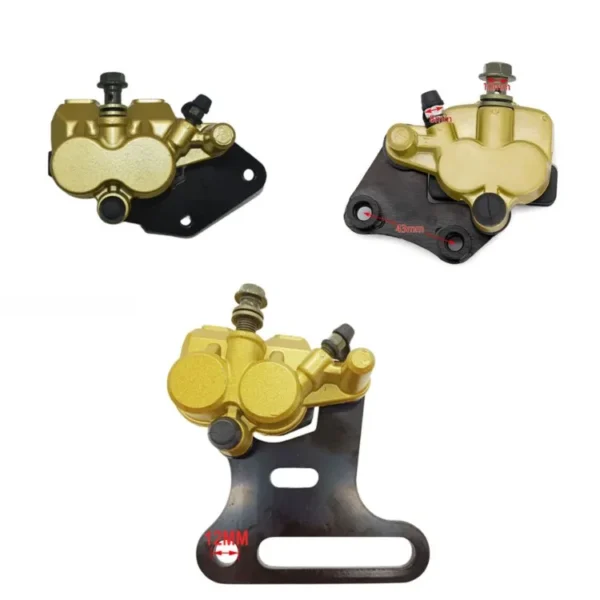
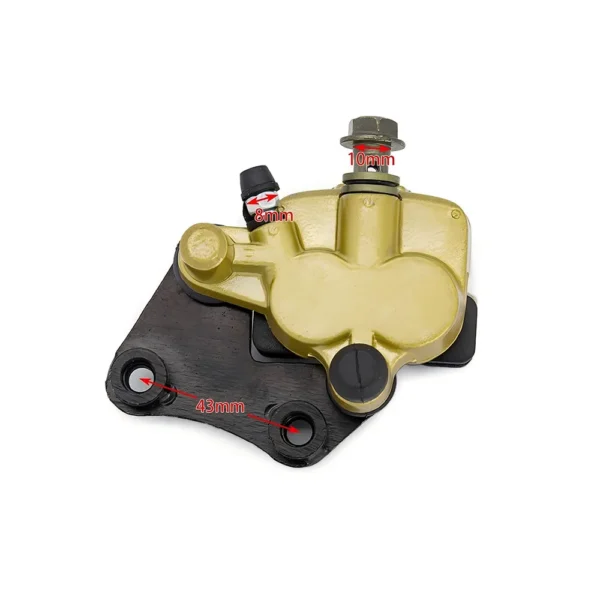
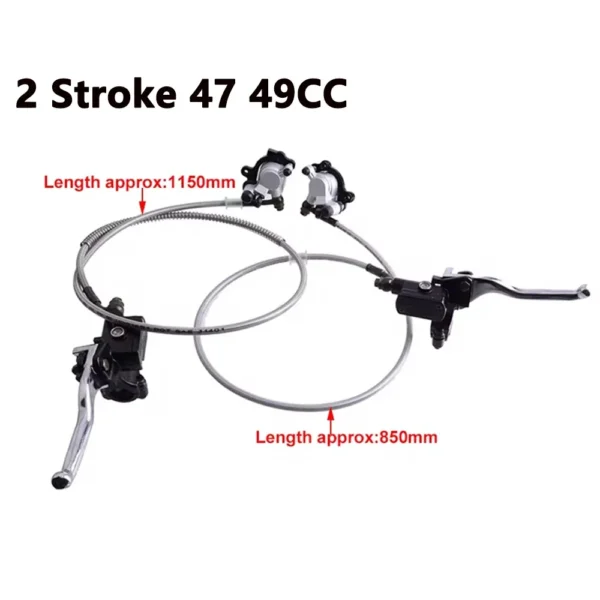
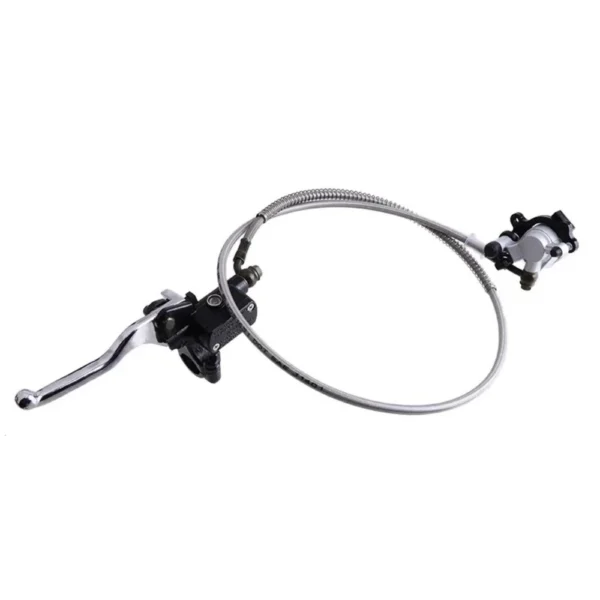
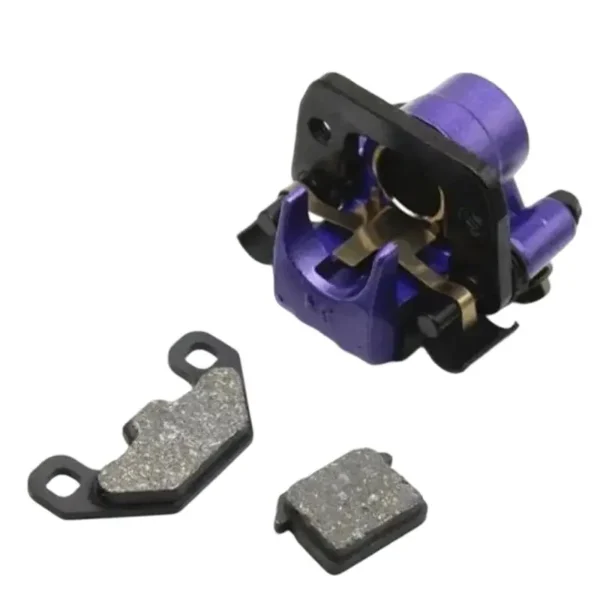
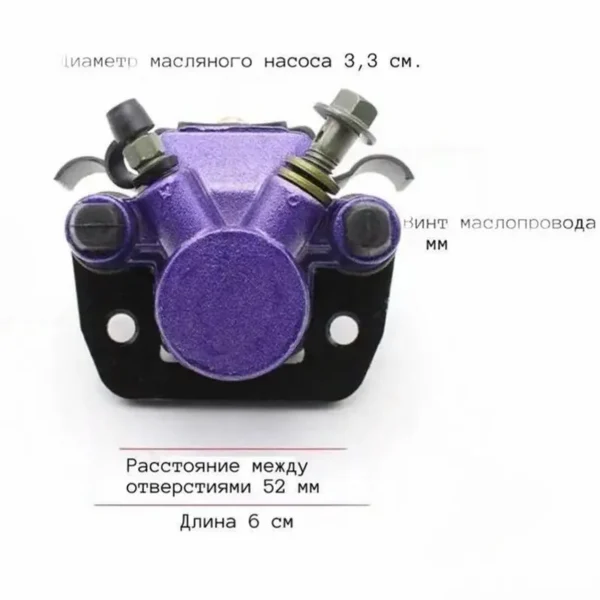
Front or Rear Hydraulic Brake Caliper Bracket Twin Piston for 50cc-125cc Motocross BBR TTR CRF 50 XR Apollo Motorbike
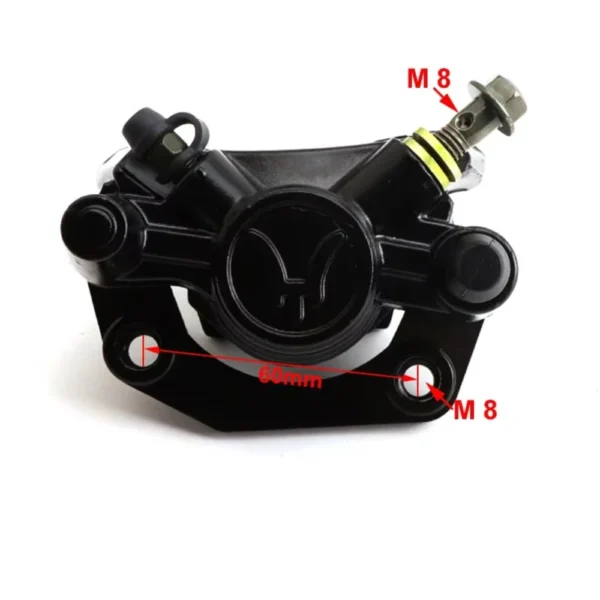
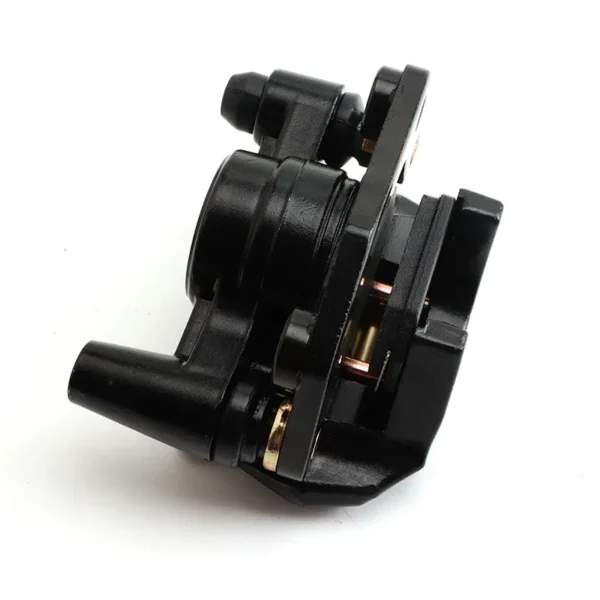
Motocycle Front/Rear Hydraulic Disc Brake Caliper With Brake Pad For Citycoco Harley Electric Car Scooter Replacement Parts
3. Aerodynamics and Noise Isolation: The Wind Tunnel Difference
Ask any long-distance touring rider or daily highway commuter why they upgraded to a premium helmet, and they will almost universally give you the same answer: noise reduction and aerodynamic stability.
The Cost of Wind Tunnel Testing
Developing a quiet, stable helmet requires extensive testing inside specialized aerodynamic wind tunnels. This process is incredibly expensive, costing manufacturers tens of thousands of dollars per day of testing.
Premium brands spend hundreds of hours refining the exact curvature of the helmet shell, the placement of the rear spoilers, and the geometry of the ventilation ports. The result is a shell that cuts through the air like a knife. At highway speeds, a premium helmet exhibits virtually zero lift or buffeting, meaning your head stays perfectly stable without getting violently tossed around by dirty air coming off semi-trucks or bike windscreens.
Budget manufacturers simply cannot afford this level of empirical prototyping. They design shells that look aggressive and stylish on a computer screen, but lack comprehensive aerodynamic optimization. As a result, budget helmets frequently suffer from high lift and intense buffeting at highway speeds, forcing your neck muscles to work overtime to keep your head straight.
The Danger of Wind Noise
Wind noise isn't just an annoyance; it is a legitimate health hazard. Sustained riding at highway speeds inside a loud helmet can easily produce noise levels exceeding 100 decibels. Without earplugs, this is loud enough to cause permanent hearing damage within less than an hour.
Premium helmets combat wind noise through precise engineering. Spring-loaded visor mechanisms pull the shield flush against thick, multi-lipped rubber gaskets, completely blocking air leaks. Plump, ergonomically sculpted padding seals the gaping acoustic opening at the bottom of the helmet around the rider's neck. Additionally, aerodynamic vent channels ensure air flows smoothly over the vents rather than catching on sharp plastic edges, preventing loud whistling sounds.
Budget helmets often feature loose visor tolerances, thinner neck rolls, and unrefined plastic vent covers that create massive turbulence, transforming the inside of your lid into a loud, roaring echo chamber.
4. Interior Comfort, Ventilation, and Longevity
What happens inside the helmet is just as important as the exterior engineering. The quality of the interior comfort liner and the efficiency of the ventilation system dictate whether your helmet is a joy to wear or an uncomfortable chore.
Plush Liners vs. Scratchy Fabrics
When you slide your head into a premium helmet, the sensation is often luxurious. High-end manufacturers utilize premium, moisture-wicking, antimicrobial textiles that feel incredibly soft against human skin.
More importantly, the internal foam padding is 3D laser-cut to match the natural contours of the human face. This prevents localized pressure points those painful sore spots on your forehead or cheeks that usually take less than an hour of riding to manifest.
Budget helmets, by contrast, use generic, flat-cut foam wrapped in rougher nylon or polyester fabrics. Over time, this foam degrades rapidly. A budget helmet that fits snugly in the showroom can easily become loose and sloppy after six months of regular riding because the low-tier foam compressed permanently, compromising both comfort and safety.
Active Climate Control
Ventilation is critical for preventing visor fogging in the winter and avoiding heat exhaustion during peak summer heat.
Premium ventilation features intricate, deep channels carved directly into the internal EPS foam liner. Air is drawn into the front intakes, routed smoothly over the top of the rider's skull, and pulled out the back via low-pressure exhaust vents utilizing the Venturi effect. The vents can be easily opened or closed with heavy riding gloves.
Budget ventilation often consists of holes drilled straight through the foam without routed channels. While air enters the helmet, it pools in one spot rather than circulating, leading to a sweaty, humid interior environment.
Front or Rear Hydraulic Brake Caliper Bracket Twin Piston for 50cc-125cc Motocross BBR TTR CRF 50 XR Apollo Motorbike
Motocycle Front/Rear Hydraulic Disc Brake Caliper With Brake Pad For Citycoco Harley Electric Car Scooter Replacement Parts
5. Optical Clarity, Visor Mechanisms, and Add-ons
A clear, unobstructed view of the road is paramount for safety. The visor system is a complex mechanical assembly that highlights the fine attention to detail found in premium manufacturing.
Class 1 Optics and Distortion-Free Vision
Premium helmets feature injection-molded face shields rated as Class 1 Optics. This means the shield has uniform thickness throughout its curvature, offering perfectly crisp, distortion-free peripheral vision.
Budget visors are often stamped out of flat sheets of plastic and bent into shape, which can introduce subtle optical distortions along the edges. This distortion forces a rider's eyes to constantly adjust, leading to eye strain and headaches over long journeys.
Visor Mechanics and Pinlock Integration
Visor replacement systems highlight another major difference. Premium helmets utilize beautifully engineered, quick-release base plates that allow you to swap from a clear visor to a tinted smoke shield in under five seconds without a single tool. Budget visors often involve fighting with flimsy plastic latches that feel prone to breaking.
Furthermore, premium helmets almost always ship with a Pinlock anti-fog insert included in the box. A Pinlock lens creates a dual-pane thermal barrier on the inside of your visor, completely eliminating fogging even when riding in freezing, humid conditions. Budget helmets rarely include a Pinlock lens out of the box, forcing you to purchase it as an expensive add-on.
6. The Long-Term Value Proposition: Doing the Math
When looking strictly at the upfront price tag, budget helmets seem like an obvious victory for cost-conscious riders. However, when we apply a long-term financial lens to this purchase, the equation shifts dramatically in favor of premium gear.
All motorcycle helmets have a strict structural expiration date. Due to the natural degradation of the internal EPS liner caused by sweat, hair oils, and UV exposure, the industry standard lifespan for a helmet is five years from the date of first use, or seven years from the date of manufacture.
A premium helmet is built to comfortably last that entire five-year cycle. High-end brands back their products with extensive warranties and support them with fully replaceable internal components. If your cheek pads wear down after two years of heavy touring, you do not need to buy a new helmet. You simply purchase a fresh set of original cheek pads, and the interior feels brand new again.
Conversely, budget helmets rarely last the full five years under daily use conditions. The foam packs out, the plastic visor mechanisms loosen, the non-replaceable liner begins to absorb odors, and the exterior trim pieces can peel away. Many riders end up replacing a budget helmet every two to three years simply due to wear and tear. Over a five-year span, buying multiple lower-tier helmets quickly equals or exceeds the cost of a single premium investment, while providing a noisier, heavier, and less comfortable experience throughout that entire period.
Conclusion: Which Helmet Tier Wins the Battle?
In the ultimate battle between premium and budget motorcycle helmets, there is no single absolute winner; instead, the correct choice depends entirely on your specific riding habits, budget constraints, and expectations on the road.
When to Buy a Budget Helmet
If you are a brand-new rider unsure if the hobby will stick, a casual weekend cruiser who avoids long highway stretches, or someone operating under strict financial limits, a certified ECE 22.06 budget helmet is a phenomenal choice. It delivers legitimate, legally proven brain protection at a fraction of the cost. You do not need to sacrifice your core safety just because you choose not to invest in a thousand-dollar lid.
When to Invest in a Premium Helmet
If you are a daily commuter, a long-distance touring rider, a track-day enthusiast, or someone who highly values physical comfort and peace of mind, saving up for a premium helmet is unequivocally worth the investment. The massive reduction in wind noise protects your hearing, the lightweight composite shell saves your neck from chronic fatigue, and the luxurious interior makes every mile an absolute pleasure.
Ultimately, your helmet is an investment in your riding longevity. Prioritize an impeccable fit above all else, buy the absolute best helmet you can comfortably afford, and ride with the confidence that your head is properly protected.
Front or Rear Hydraulic Brake Caliper Bracket Twin Piston for 50cc-125cc Motocross BBR TTR CRF 50 XR Apollo Motorbike
Motocycle Front/Rear Hydraulic Disc Brake Caliper With Brake Pad For Citycoco Harley Electric Car Scooter Replacement Parts
Front or Rear Hydraulic Brake Caliper Bracket Twin Piston for 50cc-125cc Motocross BBR TTR CRF 50 XR Apollo Motorbike
Motocycle Front/Rear Hydraulic Disc Brake Caliper With Brake Pad For Citycoco Harley Electric Car Scooter Replacement Parts
Front or Rear Hydraulic Brake Caliper Bracket Twin Piston for 50cc-125cc Motocross BBR TTR CRF 50 XR Apollo Motorbike
Motocycle Front/Rear Hydraulic Disc Brake Caliper With Brake Pad For Citycoco Harley Electric Car Scooter Replacement Parts

Leave a Reply