
How Aftermarket Exhausts Boost Motorcycle Performance and Sound: The Ultimate Guide
How Aftermarket Exhausts Boost Performance and Sound: The Ultimate Guide to Motorcycle Upgrades
For many motorcycle enthusiasts, the relationship with their machine begins long before they ever swing a leg over the saddle. It starts the moment the key turns, the fuel pump primes, and the engine fires to life. The auditory signature of a motorcycle is a core element of its character, identity, and the visceral thrill of riding. Yet, when a new bike rolls off the dealership showroom floor, its vocal chords are almost universally strangled by the strict regulatory demands of emissions compliance and noise mitigation.
Stock exhaust systems are engineered by factories to satisfy the lowest common denominator of global legal standards. To achieve this, manufacturers construct massive, heavy steel silencers packed with intricate internal baffles, catalytic converters, and restrictive piping designed to muffle the engine's natural voice and hold back its true potential. Consequently, upgrading to an aftermarket exhaust system is widely considered the absolute first modification a rider makes.
Whether your goal is to extract every ounce of horsepower for track days, drop significant dead weight to improve handling, or simply unlock a deep, aggressive exhaust note that commands attention on city streets, an aftermarket exhaust is a transformative upgrade.
For digital publishers, affiliate marketers, and motorcycle bloggers, the aftermarket exhaust niche represents an exceptionally lucrative, high-yield vertical. Exhaust components are high-ticket items, with premium systems reaching well into the thousands of dollars. Riders looking into these modifications are highly motivated, research-heavy buyers seeking specific guidance on compatibility, performance metrics, and sound dynamics. By providing a deeply technical, comprehensive, and objective breakdown of the engineering behind these upgrades, this guide establishes immediate authority, attracts high-intent organic search traffic, and drives significant affiliate conversions.
1. The Anatomy of Restriction: Why Stock Exhausts Hold Bikes Back
To understand how an aftermarket exhaust improves a motorcycle, one must first look at the mechanical limitations imposed by original equipment manufacturer (OEM) setups. A modern internal combustion motorcycle engine functions fundamentally as an air pump. Fuel and air are drawn into the combustion chamber, ignited, and the resulting spent gases must be expelled as efficiently as possible so the cycle can repeat seamlessly.
The Impact of Emissions and Acoustic Mandates
In an ideal engineering environment, exhaust gases would exit the cylinder head through a perfectly tuned path with minimal resistance. However, factory engineers must satisfy incredibly strict global regulations, such as the Euro 5 framework. These regulations mandate near-silent decibel levels and minimal tailpipe emissions.
To meet these targets, factory systems route exhaust gases through highly restrictive catalytic converters that chemically alter emissions at the cost of kinetic flow. From there, the gases enter a massive muffler chamber where they are forced through a series of internal walls, tight U-turns, and perforated baffles designed to bounce sound waves against each other until the acoustic energy is dissipated.
The Downside of Backpressure and Mass
While this labyrinth of internal baffles is highly effective at silencing the machine, it creates an immense amount of parasitic backpressure. Backpressure forces the engine to expend valuable mechanical energy simply pushing the exhaust gases out of the tailpipe rather than transferring that energy directly to the rear wheel.
Furthermore, because these factory systems are built for long-term industrial durability and low production costs, they are constructed from thick, heavy automotive-grade stainless steel or mild stamped steel. A typical stock exhaust system on a modern sportbike or adventure touring machine can easily weigh anywhere from fifteen to twenty-five pounds, creating a significant weight penalty situated high up and far back on the motorcycle’s chassis.
2. Slip-On Exhausts vs. Full Systems: Choosing Your Upgrade Path
When a rider decides to venture into the aftermarket catalog, they are immediately confronted with two primary upgrade pathways: a slip-on muffler or a complete, comprehensive full exhaust system. Choosing the right path requires balancing financial investment against your ultimate performance objectives.
The Practical Elegance of the Slip-On Exhaust
A slip-on exhaust, as the name implies, replaces only the rear muffler portion of your motorcycle's exhaust assembly. The factory header pipes routing directly out of the engine block, along with the mid-pipe catalytic converter box, remain entirely untouched. The installation process is exceptionally straightforward, typically requiring only basic garage hand tools and less than an hour of work.
From an affiliate marketing perspective, slip-ons are a high-volume product category because they are highly accessible, affordable, and carry minimal mechanical risk. A slip-on upgrade delivers immediate satisfaction by providing a dramatic aesthetic improvement over the bulky stock silencer and introducing a crisp, throatier tone.
Because the rest of the restrictive stock plumbing remains intact, slip-ons do not fundamentally alter the engine's air-to-fuel ratio, meaning they can be safely installed without requiring expensive electronic tuning or dyno calibration. However, because the primary restrictions remain in place, horsepower gains are minimal, typically ranging from a minor one to three percent increase.
The Radical Transformation of a Full Exhaust System
For the rider who refuses to compromise, a full exhaust system replaces every single piece of plumbing from the cylinder head ports all the way back to the exhaust tip. This involves removing the stock headers, deleting the heavy catalytic converter chamber, and installing custom-engineered, oversized headers connected to a free-flowing collector and a high-performance muffler.
A full system is a serious mechanical commitment designed to completely eliminate exhaust restriction. The internal diameters of the header pipes are meticulously stepped and tuned to optimise exhaust scavenging a phenomenon where the high-velocity pulse of one exiting exhaust gas charge creates a vacuum effect that actively pulls the next cylinder's exhaust pulse out behind it.
The weight savings are staggering, often cutting the total weight of the exhaust assembly by fifty to sixty percent, especially when constructed from high-grade titanium or carbon fiber. When paired with proper electronic engine tuning, a full system can unlock massive power gains, reshaping the motorcycle's torque curve and increasing top-end horsepower by five to fifteen percent depending on the engine configuration.
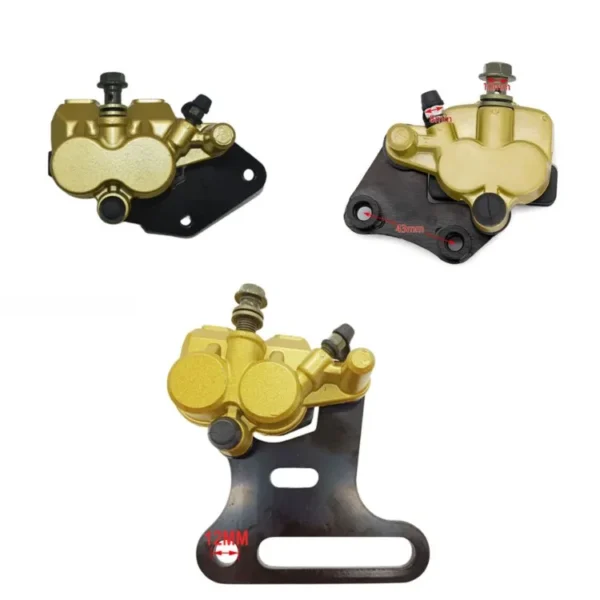
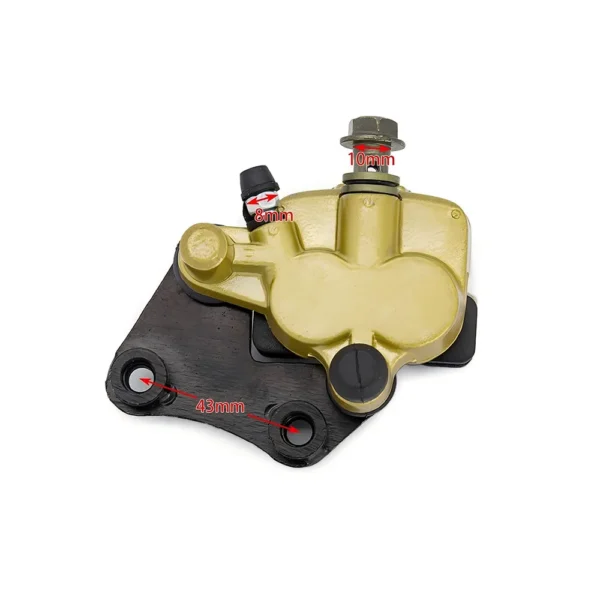
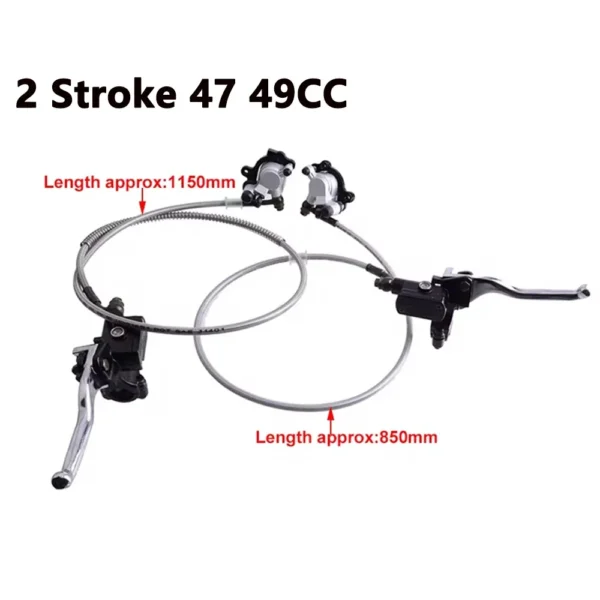
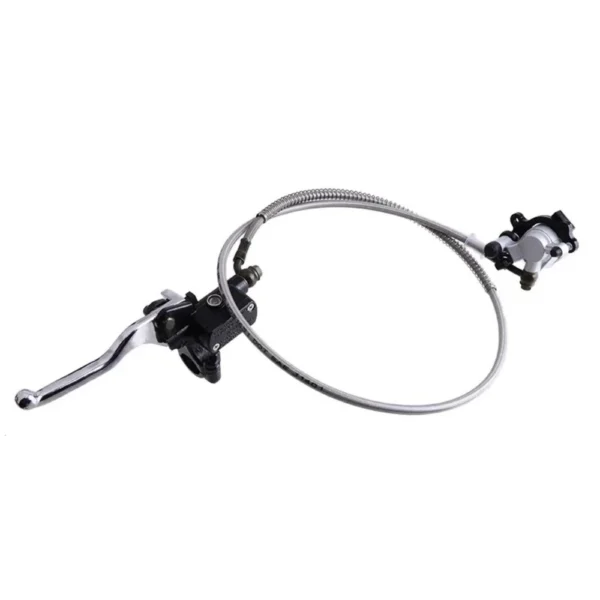
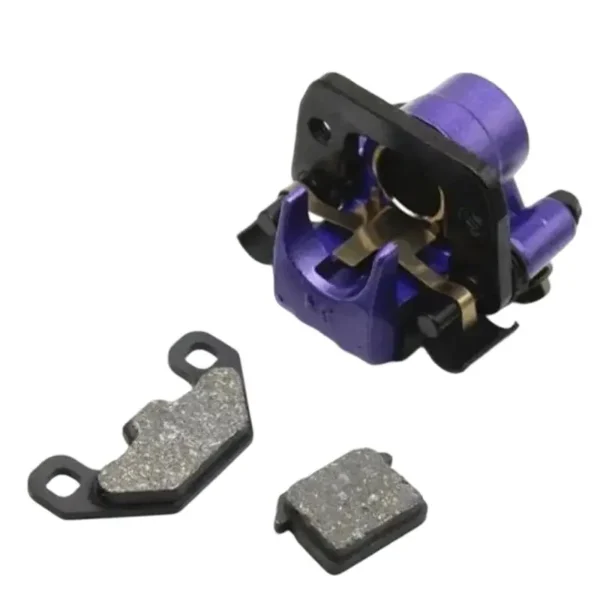
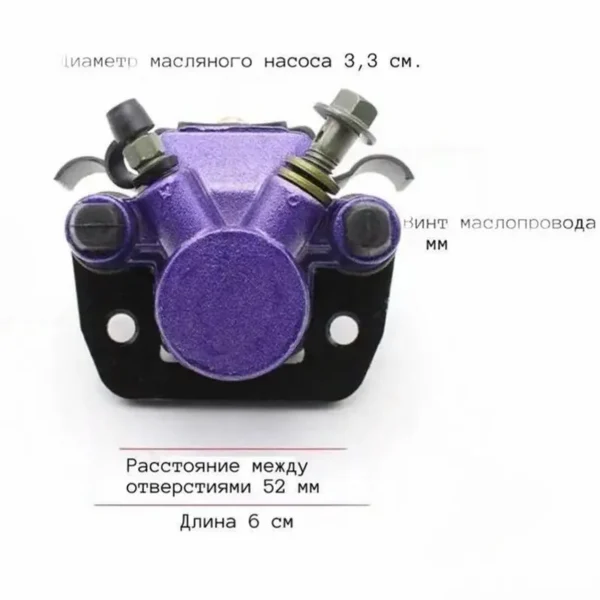
Front or Rear Hydraulic Brake Caliper Bracket Twin Piston for 50cc-125cc Motocross BBR TTR CRF 50 XR Apollo Motorbike
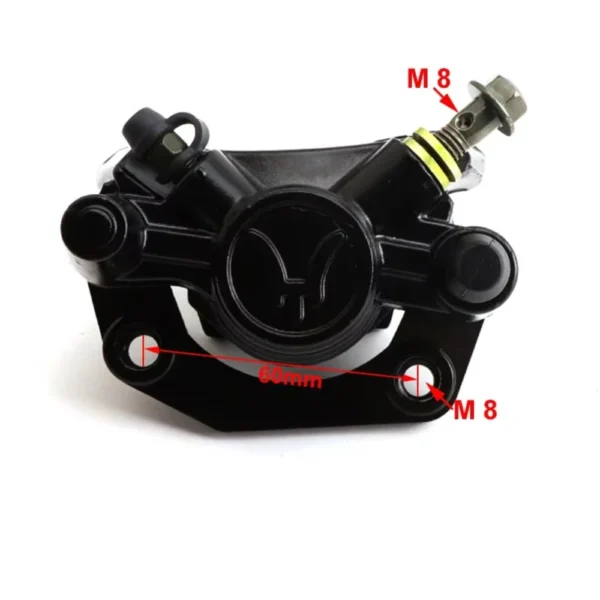
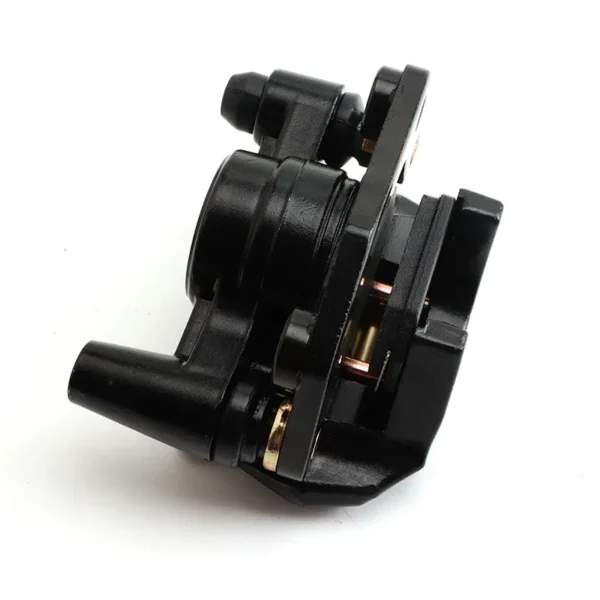
Motocycle Front/Rear Hydraulic Disc Brake Caliper With Brake Pad For Citycoco Harley Electric Car Scooter Replacement Parts
3. The Science of Sound: How Materials Shape the Exhaust Note
The most immediate and satisfying result of installing an aftermarket pipe is the acoustic transformation. However, sound is not merely a product of volume; it is a complex interaction of frequencies, resonance, and material physics. Different aftermarket materials colour the tone of an engine in completely unique ways.
Titanium: The Exotic Race-Inspired Scream
Titanium is the darling of the professional racing paddock. It possesses an incredible strength-to-weight ratio, allowing manufacturers to use incredibly thin-walled tubing that remains resilient under extreme track temperatures.
Acoustically, titanium produces a sharp, metallic, and incredibly crisp exhaust note. Because the metal walls are so thin, they transmit high-frequency sound waves with minimal dampening, resulting in a raw, aggressive, race-bred mechanical scream at high revolutions per minute. Over time and heat cycles, premium titanium headers develop a beautiful, distinct blue and purple discolouration that serves as a visual badge of honour for high-end builds.
Carbon Fibre: The Deep, Sub-Bass Rumble
Carbon fibre is a composite material that functions completely differently than metal. It does not conduct or retain heat in the same manner, allowing the muffler body to remain relatively cool to the touch even after a spirited ride.
From a sound perspective, carbon fibre acts as an excellent dampener for harsh, high-pitched mechanical frequencies. It absorbs the sharp, metallic, tinny sounds of combustion and projects a deep, bass-heavy, and incredibly resonant growl. For riders who prefer a rich, muscular, and low-frequency exhaust tone that turns heads without sounding obnoxiously raspy, carbon fibre mufflers are an exceptional choice.
Stainless Steel and Aluminium: The Balanced Classics
High-grade stainless steel and lightweight aluminium represent the workhorses of the aftermarket industry. They offer a massive structural upgrade over heavy OEM mild steel while remaining highly cost-effective. Stainless steel produces a classic, robust, and full-bodied exhaust tone that sits comfortably between the raw metallic bite of titanium and the deep dampening characteristics of carbon fibre, making it a highly popular option for daily street riders and long-distance tourers.
4. The Critical Importance of Fuel Management and ECU Tuning
A major pitfall that can destroy a rider's engine and a vital piece of educational content that builds trust with your readers is the relationship between free-flowing exhaust systems and engine fueling dynamics.
The Lean Running Hazard
Modern fuel-injected motorcycles are calibrated from the factory to run relatively "lean" meaning the electronic control unit (ECU) delivers a precise, minimal amount of fuel to match the restrictive airflow of the stock exhaust, ensuring compliance with strict tailpipe emissions standards.
When you remove the stock exhaust plumbing and install a high-flowing full aftermarket system, you radically increase the volume of air moving through the engine. If you do not adjust the fueling parameters to compensate for this massive increase in airflow, the air-to-fuel ratio drops dangerously low. Running an engine in an ultra-lean condition causes internal combustion temperatures to skyrocket, which can quickly lead to severe engine hesitation, backfiring on deceleration, melted spark plug electrodes, and permanent valve damage.
Solutions for Electronic Calibration
To safely harness the performance benefits of a full exhaust system, electronic adjustment is mandatory. Riders have two primary options:
Piggyback Fuel Controllers: Devices like the Dynojet Power Commander plug directly into the motorcycle’s factory wiring harness, intercepting the ECU's signals and altering fuel delivery across the RPM range based on pre-configured performance maps.
Direct ECU Flashing: A more permanent and comprehensive solution where the factory computer is reprogrammed directly. Flashing unlocks the ability to adjust fuel maps, modify ignition timing, change ride-by-wire throttle settings, and raise safety rev limiters to perfectly match the precise flow characteristics of the new exhaust hardware.
By emphasizing the necessity of fuel management in your review articles, you open up secondary high-commission affiliate avenues for electronic tuners, diagnostic cables, and specialized performance air filters.
Front or Rear Hydraulic Brake Caliper Bracket Twin Piston for 50cc-125cc Motocross BBR TTR CRF 50 XR Apollo Motorbike
Motocycle Front/Rear Hydraulic Disc Brake Caliper With Brake Pad For Citycoco Harley Electric Car Scooter Replacement Parts
5. Navigating Legality, DB Killers, and Community Responsibility
As an authoritative voice in the motorcycling community, it is crucial to address the legal and social responsibilities that come with modifying an exhaust system. Maintaining full compliance with AdSense guidelines means providing responsible, educational content that does not encourage illegal street racing or dangerous public disturbances.
The Role of Removable DB Killers
The vast majority of premium aftermarket mufflers ship with a mechanical component known as a DB Killer or acoustic baffle pre-installed inside the exhaust tip. A DB Killer is a small, perforated metal insert that restricts just enough direct sound waves to lower the exhaust volume down to a socially acceptable and legally compliant decibel range for street use.
For daily commuters and urban street riders, keeping the DB Killer installed is highly recommended. It provides a rich, enhanced tone over stock without drawing unwanted negative attention from law enforcement or disrupting residential neighbourhoods during early morning departures. For track days or closed-circuit racing events where sound restrictions are relaxed, the baffle can be easily removed with a single retaining bolt to allow maximum airflow.
Understanding Regional Environmental Regulations
Exhaust legislation varies wildly across the globe. In the United States, regulations governed by the California Air Resources Board (CARB) and the Environmental Protection Agency (EPA) strictly prohibit the removal or tampering of emissions control devices on vehicles operated on public roads.
Similarly, European riders must look for specific certification stamps (such as Euro 5 or E-Mark approval) engraved directly onto the exhaust body to pass mandatory annual vehicle safety inspections. Clearly educating your readers to verify their local municipal codes and look for compliant product categories ensures they avoid costly fines and purchase the correct gear for their region.
Conclusion: Unlocking Your Motorcycle's True Potential
Upgrading to an aftermarket exhaust system remains the single most impactful modification you can perform on a motorcycle. It is a dual-purpose investment that simultaneously appeals to a rider's emotional desires and mechanical performance demands.
By swapping out a heavy, heavily baffled factory silencer for a precision-engineered aftermarket setup, you completely liberate the machine. A simple slip-on exhaust provides immediate weight reduction, an elegant aesthetic upgrade, and an intoxicating, rich auditory experience without breaking the bank. For those seeking absolute mechanical perfection, a full racing system completely optimises engine breathing, sheds massive amounts of chassis weight, and yields significant horsepower and torque gains across the entire rev range when paired with a proper fuel tune.
Ultimately, choosing the right exhaust system comes down to defining your goals, understanding your local regulations, and selecting the premium materials, be it exotic titanium, rumbling carbon fibre, or durable stainless steel, that match your riding style, allowing you to ride with a deep sense of pride every single time you crack the throttle open.
Front or Rear Hydraulic Brake Caliper Bracket Twin Piston for 50cc-125cc Motocross BBR TTR CRF 50 XR Apollo Motorbike
Motocycle Front/Rear Hydraulic Disc Brake Caliper With Brake Pad For Citycoco Harley Electric Car Scooter Replacement Parts


Front or Rear Hydraulic Brake Caliper Bracket Twin Piston for 50cc-125cc Motocross BBR TTR CRF 50 XR Apollo Motorbike
Motocycle Front/Rear Hydraulic Disc Brake Caliper With Brake Pad For Citycoco Harley Electric Car Scooter Replacement Parts
Front or Rear Hydraulic Brake Caliper Bracket Twin Piston for 50cc-125cc Motocross BBR TTR CRF 50 XR Apollo Motorbike
Motocycle Front/Rear Hydraulic Disc Brake Caliper With Brake Pad For Citycoco Harley Electric Car Scooter Replacement Parts

Leave a Reply