
Best Waterproof Motorcycle Luggage for Long-Distance Touring: Ultimate Guide
The Best Waterproof Motorcycle Luggage for Long-Distance Touring: The Ultimate Guide to Keeping Your Gear Bone-Dry
There is an old, undeniable truth in the motorcycling world: if you ride long enough and far enough, you will eventually encounter a torrential downpour. When you are out on the open road, hundreds of miles away from home, watching the horizon turn a dark, ominous grey can trigger an immediate sense of anxiety. This worry is rarely about getting wet yourself, as modern high-quality riding suits handle rain remarkably well. Instead, the real anxiety stems from a much more troubling thought: Is my luggage actually waterproof?
Arriving at a remote hotel or a dark campsite after an exhausting eight-hour ride in the rain, only to open your bags and discover that your spare clothes, warm layers, expensive laptop, and camera gear are completely soaked, is an absolute nightmare scenario. It ruins your comfort, threatens your expensive electronics, and dampens the spirit of the entire journey.
For long-distance touring enthusiasts and adventure riders, high-quality, genuinely waterproof motorcycle luggage is not an optional accessory it is an absolute necessity.
For affiliate marketers and content creators, the motorcycle luggage niche represents an exceptionally lucrative segment. Luggage systems are high-ticket items, and riders researching these products are exceptionally thorough, looking for real-world reliability, durable construction, and proven weatherproofing. By providing a deeply analytical, comprehensive guide that addresses the specific needs of long-distance travelers, this article helps readers make an informed purchasing decision while maximizing your website's monetization potential through high-intent traffic.
1. The Great Debate: Hard Cases vs. Soft Luggage Systems
Before diving into specific product architectures and fabric technologies, every long-distance rider must first address the fundamental question of motorcycle pack design: Should you invest in rigid hard cases, or should you opt for flexible soft luggage systems? Both approaches have distinct advantages and drawbacks when it comes to long-distance touring.
The Case for Rigid Hard Cases
Hard cases, typically constructed from heavy-duty aluminium or high-impact injection-moulded plastics, are the traditional choice for cross-country asphalt touring and serious adventure travel.
The primary advantage of hard luggage is absolute security and convenience. Aluminum panniers and top boxes feature integrated locking mechanisms that lock directly to the motorcycle's frame and lock the lid shut. This allows you to park your bike in a busy city center, walk away to explore a museum or grab lunch, and feel confident that your valuable belongings are completely secure from opportunistic thieves.
Furthermore, hard cases maintain their shape regardless of how much or how little you pack inside them, making organization incredibly simple. From a waterproofing standpoint, high-end hard cases utilize thick rubber gaskets along the lid rim that form an airtight seal when compressed by heavy-duty latches.
The Rise of Flexible Soft Luggage
In recent years, soft luggage systems constructed from advanced, ultra-durable textiles have exploded in popularity, particularly within the dual-sport and adventure riding communities.
The most compelling argument for soft luggage is safety during off-road exploration. If you lose traction on a loose gravel trail and tip the motorcycle over, a soft fabric bag will flex and absorb the impact, whereas a rigid aluminum box can easily bend, crack its mounting rack, or trap your leg underneath its unyielding metal edge.
Additionally, soft bags are significantly lighter than hard luggage setups. Dropping twenty to thirty pounds of dead weight off the rear of your motorcycle drastically improves the bike's handling, fuel economy, and suspension performance. Modern soft touring bags achieve total waterproofing through a roll-top closure design, entirely eliminating zippers, which are the most common failure point for water ingress.
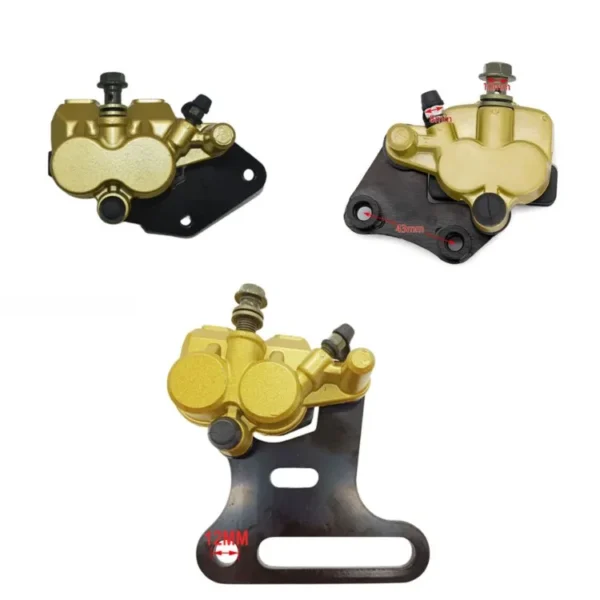
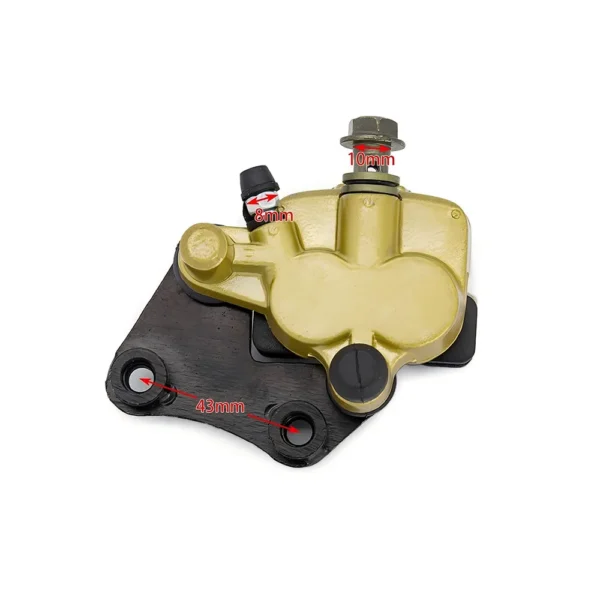
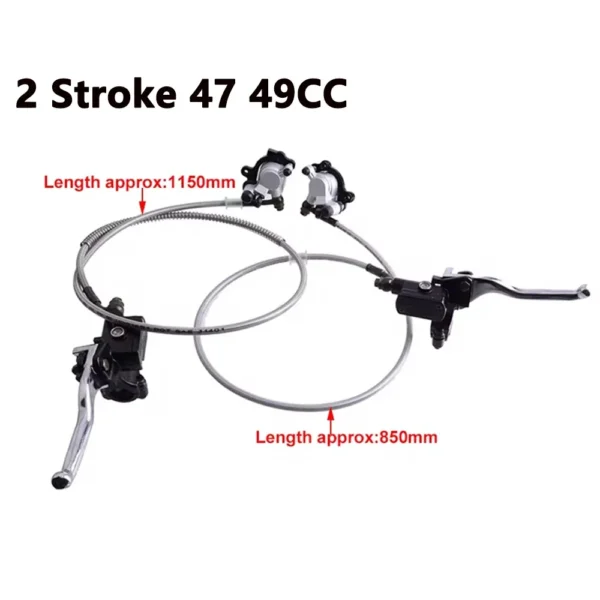
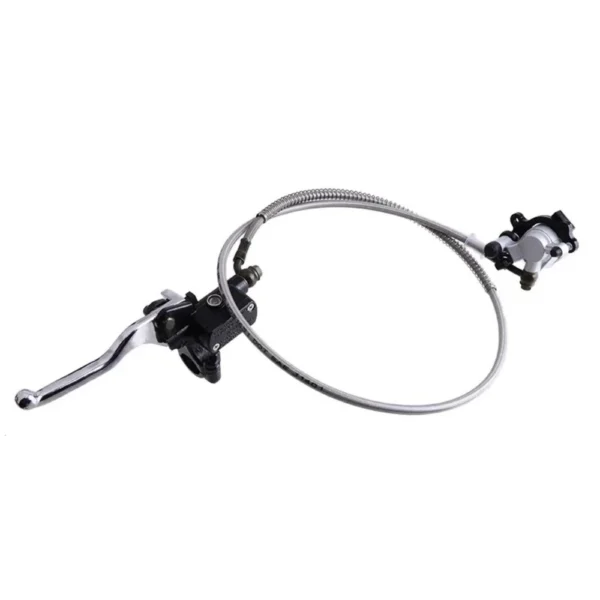
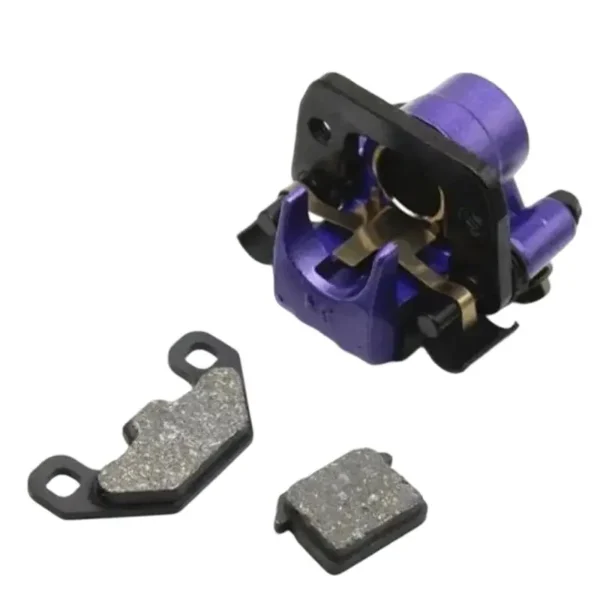
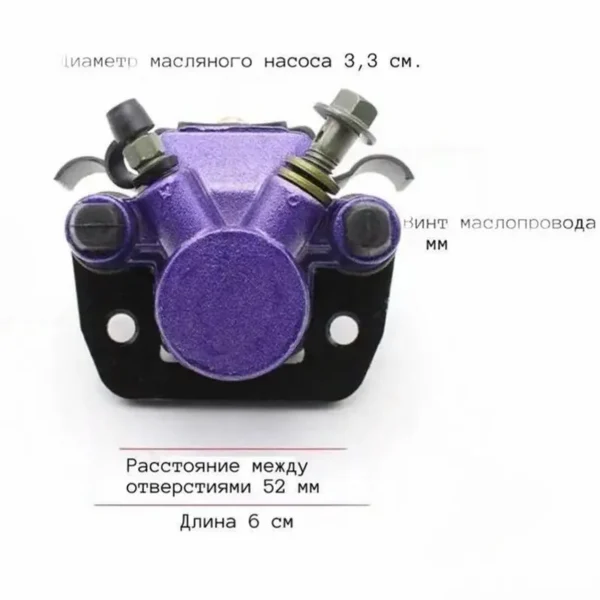
Front or Rear Hydraulic Brake Caliper Bracket Twin Piston for 50cc-125cc Motocross BBR TTR CRF 50 XR Apollo Motorbike
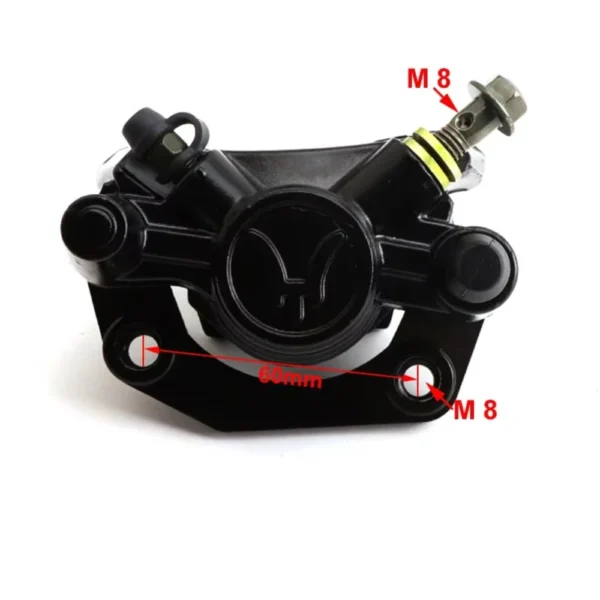
Motocycle Front/Rear Hydraulic Disc Brake Caliper With Brake Pad For Citycoco Harley Electric Car Scooter Replacement Parts
2. Deciphering Waterproof Ratings and Material Technology
When shopping for waterproof luggage, you will constantly encounter various marketing buzzwords and technical specifications. Understanding what these terms mean in the real world is essential for avoiding cheap imitations that leak at the first sign of a drizzle.
Heavy-Duty Materials: TPU, PVC, and Cordura
True waterproof soft luggage relies on specialised fabrics designed to repel high-velocity water droplets over sustained periods:
TPU (Thermoplastic Polyurethane) Coating: The gold standard for modern motorcycle dry bags. TPU is incredibly flexible, highly resistant to abrasions, punctures, and tears, and remains pliable even in freezing temperatures.
PVC Tarpaulin: An exceptionally tough, rubberized material commonly used in commercial marine dry bags. PVC is completely impervious to water and very affordable, though it can become stiff and difficult to roll up in cold weather.
Ballistic Nylon and Cordura: High-end textile bags often use a rugged outer shell made of 1000D Cordura to protect against abrasion from crashes or tree branches, paired with an independent, fully waterproof internal liner bag to keep moisture out.
Construction Techniques: Sonic Welded Seams
A bag can be made out of the most waterproof fabric in the world, but if it is held together by traditional needle-and-thread stitching, water will quickly seep through the thousands of tiny needle holes under highway wind pressure.
Premium waterproof luggage completely avoids traditional sewing. Instead, manufacturers utilize radio-frequency (RF) or sonic welding technology. This process uses high-frequency electromagnetic energy to melt the edges of the plastic-coated fabrics together at a molecular level. The result is a single, continuous, fused seam that is physically stronger than the surrounding fabric and entirely free of holes, guaranteeing absolute waterproof performance.
3. Core Components of a Long-Distance Luggage Setup
A complete long-distance touring setup rarely relies on a single massive bag. Instead, seasoned riders utilise a modular ecosystem of different luggage pieces distributed strategically across the motorcycle to maintain optimal weight distribution and balance.
Heavy-Duty Dry Tail Bags
The tail bag sits across the passenger seat or the rear luggage rack and serves as the primary cargo hold for your bulkier items, such as sleeping gear, tents, or spare apparel.
The ideal touring tail bag features a wide-mouth roll-top opening, allowing you to easily pack and retrieve large items. Look for models that incorporate dedicated, integrated tie-down strap loops. Luggage that relies on loose, elastic bungee cords is dangerous; at highway speeds, a heavy bag can shift dynamically, throwing off your balance or getting tangled in the rear wheel. Premium dry tail bags utilise heavy-duty cam-buckle straps that lock the bag securely to the bike's chassis.
Waterproof Side Panniers and Saddlebags
Panniers hang low on either side of the rear wheel, keeping the centre of gravity as low as possible. This low positioning is critical for preserving the motorcycle's nimble handling dynamics when carrying heavy tools, spare parts, or camp cooking equipment.
Waterproof saddlebags must be exceptionally rugged, as they are constantly bombarded by road spray, mud, and debris thrown up by the tires. High-end waterproof panniers feature rigid internal backing plates that prevent the bags from sagging into the exhaust pipe or moving parts, and they often include quick-release mounting hardware that lets you click the bags off the bike instantly when you arrive at your hotel.
Magnetic and Strap-Mounted Tank Bags
The tank bag sits directly in front of the rider, resting on top of the fuel tank. This is your cockpit console the place where you store your most critical, high-value essentials that you need to access at a moment's notice, such as your passport, wallet, smartphone, clear visor shield, and charging cables.
Because tank bags house your most sensitive electronics, absolute waterproofing is paramount. While many traditional tank bags rely on an awkward, loose nylon rain cover that balloons up at highway speeds, premium touring tank bags utilize molded, fully waterproof shells with water-resistant zippers and overlapping storm flaps, ensuring your phone stays charging and dry even in a driving storm.
4. Crucial Features to Look for Before Buying
Beyond the basic materials, several small engineering details separate a mediocre, frustrating bag from a piece of world-class touring gear that will last for a decade of adventures.
Roll-Top Closures vs. Water-Resistant Zippers
Zippers are inherently weak points when it comes to keeping water out. Even specialised, expensive water-resistant zippers can eventually fail when subjected to hour after hour of highway-speed wind-driven rain.
This is why the roll-top closure system reigns supreme for absolute waterproofing. By folding the top opening of the bag over itself three or four times and clipping it down with side buckles, you create a mechanical labyrinth that is physically impossible for water to penetrate. Additionally, roll-top designs allow you to compress the bag down dynamically if it is only half-full, preventing your gear from shifting around while you ride.
Air Purge Valves
If you have ever tried to roll up a completely sealed, airtight dry bag, you know how frustrating it can be. The air inside gets trapped, causing the bag to balloon up and making it incredibly difficult to compress tightly onto your motorcycle's luggage rack.
Premium waterproof touring bags solve this issue by integrating a one-way air purge valve into the lower section of the bag. As you roll the top closed, you can open the valve to expel all the trapped ambient air, crushing the bag into an ultra-dense, rock-solid package. Once zipped shut, the valve completely seals out moisture, ensuring your luggage remains as compact and aerodynamically stable as possible.
High-Visibility Liners and Reflective Elements
When you are looking for a specific item inside a deep tail bag on a dark, rainy evening by the side of the road, a black interior lining is a major hindrance. It turns the inside of your bag into a dark cavern where items disappear completely.
Top-tier luggage manufacturers line the interior of their bags with bright, high-visibility colors like neon yellow or stark white. This simple design choice reflects ambient light, making it incredibly easy to locate small items quickly. Furthermore, the exterior of the luggage should feature prominent, marine-grade retroreflective strips to dramatically boost your visibility to distracted motorists during low-light, stormy riding conditions.
Front or Rear Hydraulic Brake Caliper Bracket Twin Piston for 50cc-125cc Motocross BBR TTR CRF 50 XR Apollo Motorbike
Motocycle Front/Rear Hydraulic Disc Brake Caliper With Brake Pad For Citycoco Harley Electric Car Scooter Replacement Parts
5. Maximizing Value and Earning Trust Through Honest Advice
As an affiliate marketer or gear reviewer, your long-term success depends entirely on building deep, unshakeable trust with your audience. In the motorcycle luggage space, trying to sell cheap, substandard gear just to chase a quick commission is a surefire way to destroy your website's reputation.
The True Cost of Cheap Gear
Budget-friendly dry bags found on generic online marketplaces often look identical to premium gear in promotional photos. However, they almost universally fail where it matters most: the mounting straps pull out of the cheap fabric backing, the thin plastic buckles snap under tension, or the seams split open after a few months of exposure to harsh UV sunlight.
Educating your readers on the long-term value proposition of investing in established, reputable brands—such as Kriega, Givi, Enduristan, or SW-MOTECH is the best service you can provide. A premium waterproof bag may require a higher upfront investment, but it comes backed by extensive manufacturer warranties, rugged construction, and a proven track record of surviving round-the-world expeditions.
When a rider knows their expensive gear is safe and dry, the upfront cost quickly pales in comparison to the immense peace of mind enjoyed on every trip.
Conclusion: Ready for the Open Road, Rain or Shine
Investing in a world-class, fully waterproof motorcycle luggage system completely changes the dynamic of long-distance touring. It eliminates the stressful guesswork of long-distance travel, allowing you to focus entirely on the beauty of the road ahead rather than worrying about the safety of your packed belongings.
By carefully selecting a modular ecosystem of low-slung side panniers, an aerodynamically stable roll-top tail bag, and a highly accessible waterproof tank bag constructed with sonic-welded seams and rugged TPU fabrics, you create an impenetrable fortress for your gear.
Whether you favor the absolute security and lockable convenience of rigid aluminum hard cases or the ultra-lightweight, crash-resilient flexibility of soft fabric dry bags, choosing the right premium setup ensures that you can roll through the heaviest storms with total confidence, knowing that your dry clothes and essential electronics are waiting for you, safe and sound, at the end of the trail.
Front or Rear Hydraulic Brake Caliper Bracket Twin Piston for 50cc-125cc Motocross BBR TTR CRF 50 XR Apollo Motorbike
Motocycle Front/Rear Hydraulic Disc Brake Caliper With Brake Pad For Citycoco Harley Electric Car Scooter Replacement Parts
Front or Rear Hydraulic Brake Caliper Bracket Twin Piston for 50cc-125cc Motocross BBR TTR CRF 50 XR Apollo Motorbike
Motocycle Front/Rear Hydraulic Disc Brake Caliper With Brake Pad For Citycoco Harley Electric Car Scooter Replacement Parts
Front or Rear Hydraulic Brake Caliper Bracket Twin Piston for 50cc-125cc Motocross BBR TTR CRF 50 XR Apollo Motorbike
Motocycle Front/Rear Hydraulic Disc Brake Caliper With Brake Pad For Citycoco Harley Electric Car Scooter Replacement Parts

Leave a Reply